
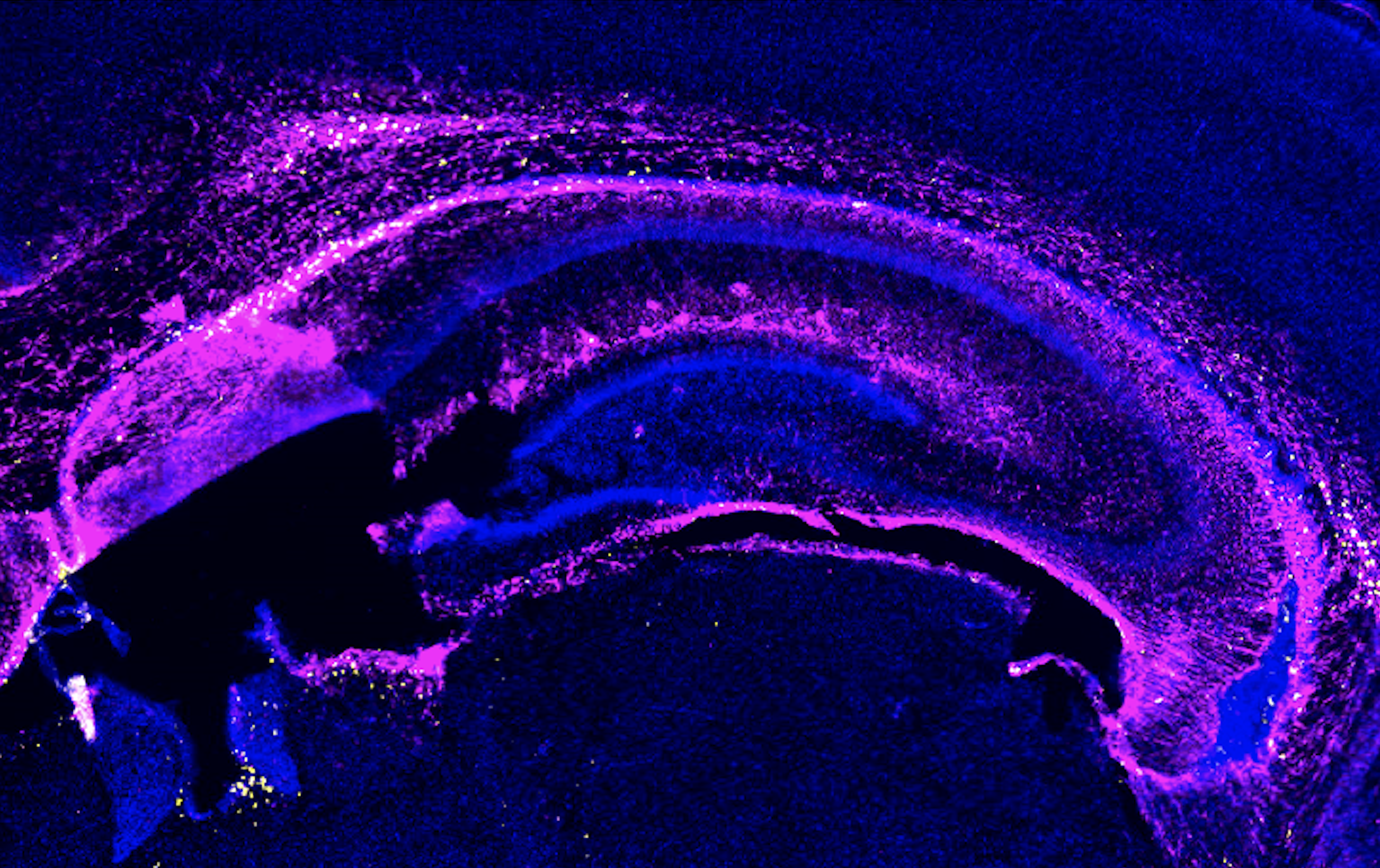
Dedicated to discovering new treatments for pediatric brain injuries
Miller Lab
OUR MISSION
Protecting and restoring brain function after injury improves the lives of patients, their families, and the community.
Most pediatric brain injury, be it from complications of premature birth, trauma, or hydrocephalus (increased fluid in the brain) can only be treated with surgery. That surgery is generally reserved for the most severe cases, and does not restore brain function. We are dedicated to discovering new non-surgical treatments for pediatric brain injury that can be applied to all forms of injury.
We are a team of physicians and scientists who use patient data and experimental systems to better understand and treat brain injury. The laboratory is funded by the Mission Connect Foundation and National Institutes of Health.
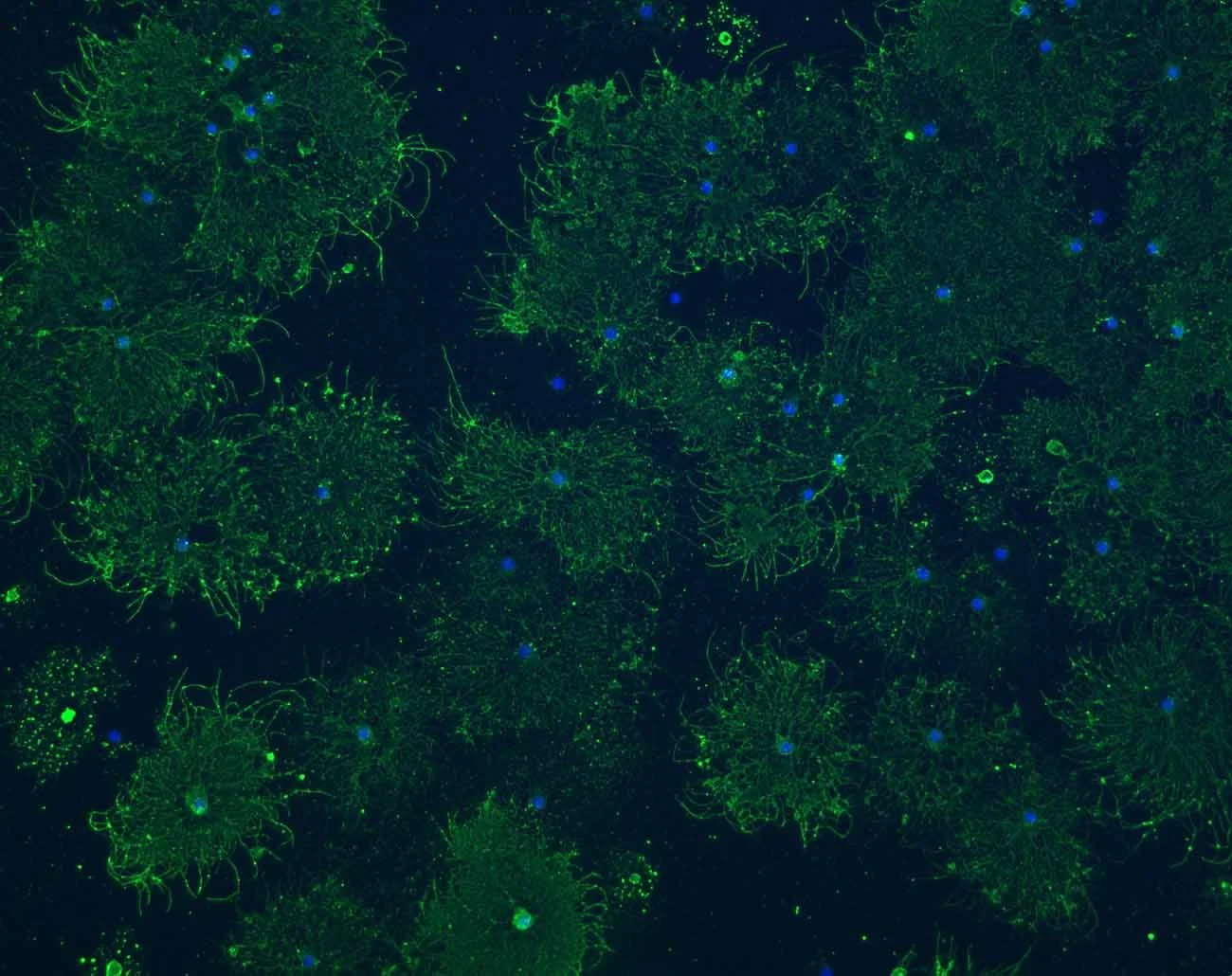
The Miller Pediatric Brain Injury Lab uses clinical data and models systems to better understand how the developing brain reacts to injury, and how new therapies can improve the resilience and recovery of the central nervous system.
OUR RESEARCH
Clinical Work
Dr. Miller is a pediatric neurosurgeon at Medical University of South Carolina. He applies more than two decades of experience in neurosurgery and neuroscience to his research to advance understanding of brain injury. He and his colleagues partner with the CNS Biobank at MUSC to collect samples for clinical studies in oncology, hydrocephalus and neurotrauma. Dr. Miller and his team analyze clinical data and publish in collaboration with colleagues in neonatology, pediatrics, and intensive care medicine.
Laboratory Systems
The Miller lab utilizes in vivo and cell culture systems to study neonatal intraventricular hemorrhage (IVH) and other brain diseases. The lab utilizes immunohistochemical, biochemical, imaging, bioinformatic and functional approaches as outcomes. We are eager to collaborate with other laboratories with similar research interests and complimentary expertise.